

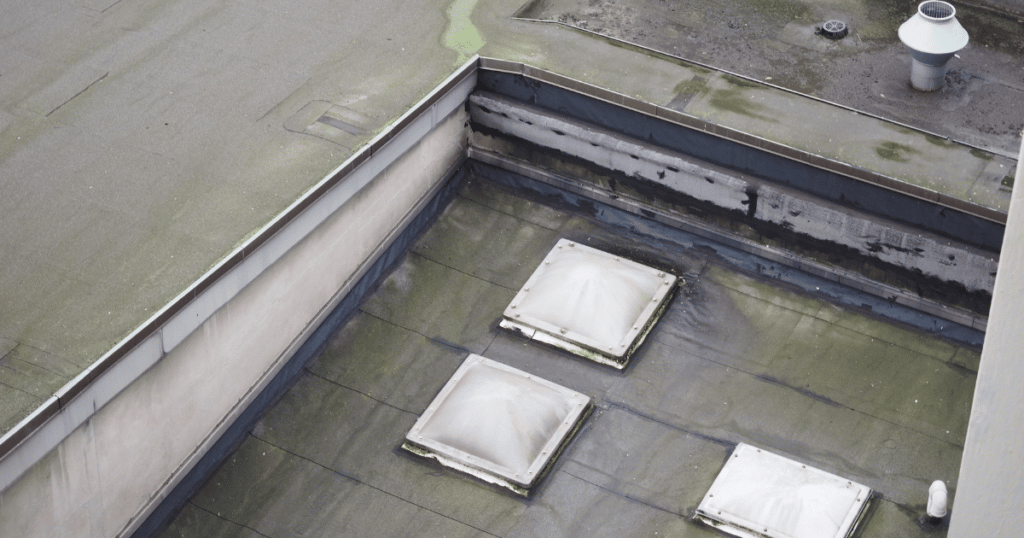
Not sure what the causes of condensation in a roof are? Think your roof might be suffering from condensation that could lead to expensive damage? Want to better understand your flat roof to ensure it lasts through the years?
Condensation can be a big problem, often leading to catastrophic and costly damage to your roof’s structure.
That’s why it’s important to know the main causes of condensation in a roof, what damage it can do and how you can prevent it.
Condensation Can Be A Costly Problem
No one wants to spend thousands fixing extensive damage caused by condensation. In extreme circumstances, this might take weeks, months even, and require you to temporarily move out while the roof is repaired or replaced.
Think it won’t happen to you? Sadly, it can quickly become a reality if condensation in a roof is left unchecked.
Air holds tiny droplets of water, and warm air contains more than cold. Condensation occurs when the warm air meets cold air or a cold surface and ‘discharges’ its excess water droplets. When this happens, it creates two types of condensation:
- Surface condensation (visible on surfaces)
- Interstitial condensation (occurs inside structural roof materials)
Both can cause serious issues with your roof, walls and masonry. Your property is particularly vulnerable to condensation if your home was built with incorrect materials, if you’re experiencing cold weather or have a cold roof.
Quick Action Can Save You Money
While you might not have the expertise to assess the structural integrity of your roof yourself, the best thing you can do is be proactive about condensation. Learn to spot the signs of condensation in your roof early, and you can prevent the structural damage that can cost thousands to repair.
Make sure you check your roof regularly, or if you’re unable to get up there to look around thoroughly, bring in a professional to assess your roof with a full roof report. The big signs to look out for are mould or damp spots on your ceilings or walls, blistering of the existing waterproof covering and the roof feeling soft underfoot.
If you do notice any of these warning signs, it’s crucial that you call in the experts in flat roofing. They’ll be able to conduct tests that can tell you for certain whether you’re suffering from condensation and if it has caused any damage.
Causes of Condensation In a Roof No 1
Kitchens, Bathrooms Or Shower Rooms Under The Flat Roof
When you consider how moisture is created inside the home, with warm air from your living spaces meeting colder air in your roof void, it’s not hard to guess where condensation is most likely to occur.
The biggest culprits for creating excessive moisture are some of the most used rooms in any house. Your kitchen, bathroom and shower room all create moisture-laden air that’s going in one direction – up.
As this hot air rises, it becomes trapped in the roof with no way to get out. Over time, it builds on surfaces and can eventually permeate the structure.
How can you prevent the mix of hot and cold air from creating condensation in your roof? Good ventilation is key. Installing and properly maintaining mechanical vents will safely remove the air’s moisture and divert it outside.
If your home is properly ventilated, then condensation shouldn’t be an issue.
Causes of Condensation In a Roof No 2
Insulated But Unventilated Flat Roof
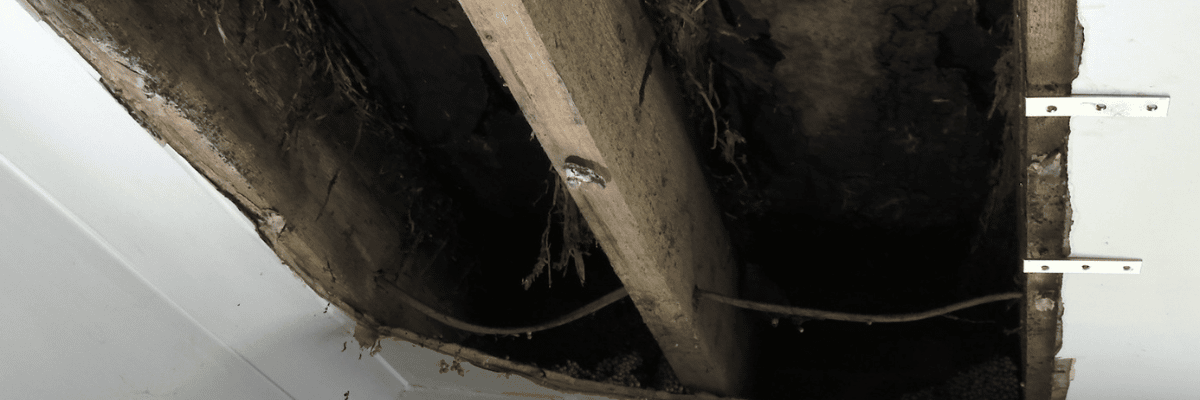
Another leading reason for condensation is your flat roof lacking ventilation but being well insulated. This can happen if you have what’s called a ‘cold roof’. Generally speaking, if there is insulation between the joists, you have a cold roof. For a cold roof to work properly, there must be at least a 50mm gap between the top of the insulation and the timber deck, along with vents to the outside. This provides a ventilation pathway, allowing air to circulate. A warm roof has insulation higher up, above the roof deck, removing the need for ventilation altogether and providing a more thermally efficient solution.
Cold roofs are often not designed or installed properly, with inadequate ventilation,, leading to a build-up of moisture from the rising warm air below. When the ventilation is not up to the job, this moisture can get trapped in the roof causing damp, mould and even wood rot. We have even seen drips coming through the ceiling, leading customers to think their roof is leaking, when in fact there is a serious condensation problem.
Even when a cold roof is designed properly, with this ventilation comes the drawback of lower thermal efficiency, with cold air constantly filtering through. Warm roofs don’t require this type of cross-flow ventilation – or any ventilation at all. So if you have a cold roof, it’s a good idea to regularly look out for signs of condensation.
Causes of Condensation In a Roof No 3
Damage Due To DIY
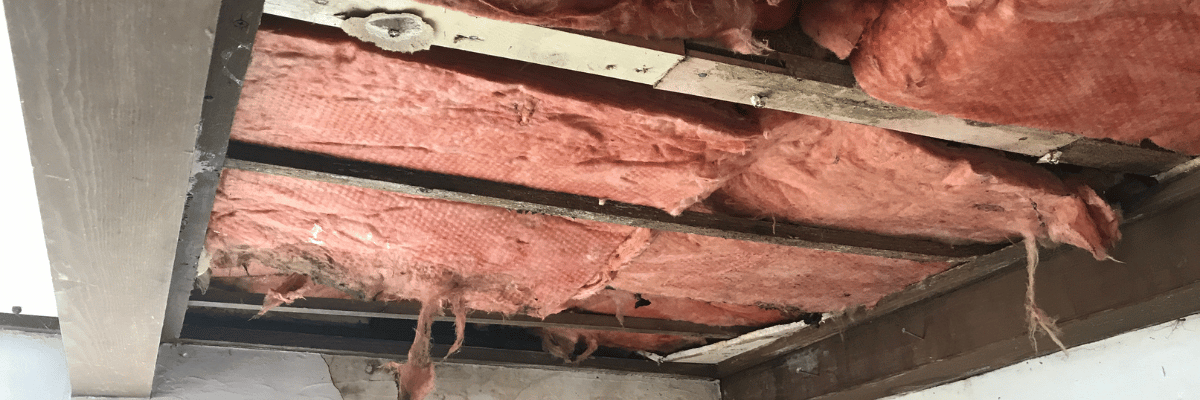
There’s one necessary component in any roof that home DIYers often overlook. The layer between the ceiling and wooden joists is called a vapour control layer (VCL). It serves an important purpose.
The VCL stops moisture from rising into the roof by preventing it from getting through your ceiling. Some vapour barriers are designed to totally block any moisture, while others are created to allow your roof to breathe. These are used in different situations, but they’re an important component that, if damaged, can let in condensation.
DIY projects such as inserting spotlights can lead to damage or piercing the VCL. In fact, anywhere the barrier is cut (or screwed/nailed through) is a potential area for moisture to enter through.
A compromised VCL will allow moisture to rise into the roof and get trapped, causing potential problems and making it vulnerable to rot, corrosion and freezing damage.
In these situations, it’s best to have a professional fit any accessories into your roof where the vapour barrier may be at risk. In the long run, you’ll be glad you took the time to do things right and not have to pay to replace your roof further down the line.

Conclusion
Condensation can be more costly than you might think. That’s why it’s essential to look for the signs and take action quickly if you see any of them. By understanding the causes of condensation in a flat roof you’ll be able to better protect your property.